
Project Evāra is a student-led initiative tackling textile waste and the environmental impact of fast fashion. Through awareness campaigns, collection drives, research, and community action, we encourage people to rethink how they consume, reuse, and dispose of clothing. We believe young people can drive meaningful change!
WHAT IS FAST FASHION?
Cheap, mass-produced clothing made from synthetic plastics that are worn a few times and quickly tossed away.
Popular Fast Fashion Brand Examples:

UNIQLO ↗
Fleece & Synthetic Basics
H&M ↗
Weekly Trend Turnover
LEVI'S ↗
Poly-Denim Stretch Blends|
Bengaluru's fast fashion waste challenge is growing. Non-reusable synthetic garments – especially polyester and blends – have no effective circular pathway. They are often treated as regular waste, burned in cement kilns or dumped in landfills, releasing carbon emissions and microplastics.
Most people only think about donating clothes in good condition, but 'end-of-life' non-reusable garments are where the fast fashion crisis truly shows its ugly side.
FAST FASHION
Cheap. Trendy. Designed with "planned obsolescence" to be replaced after a few washes, not repaired.
TEXTILE WASTE
Non-reusable garments are mixed with household waste, contaminating recyclable streams.
BENGALURU'S CHALLENGE
No standardized pathway for citizens to segregate and send synthetics for recovery.
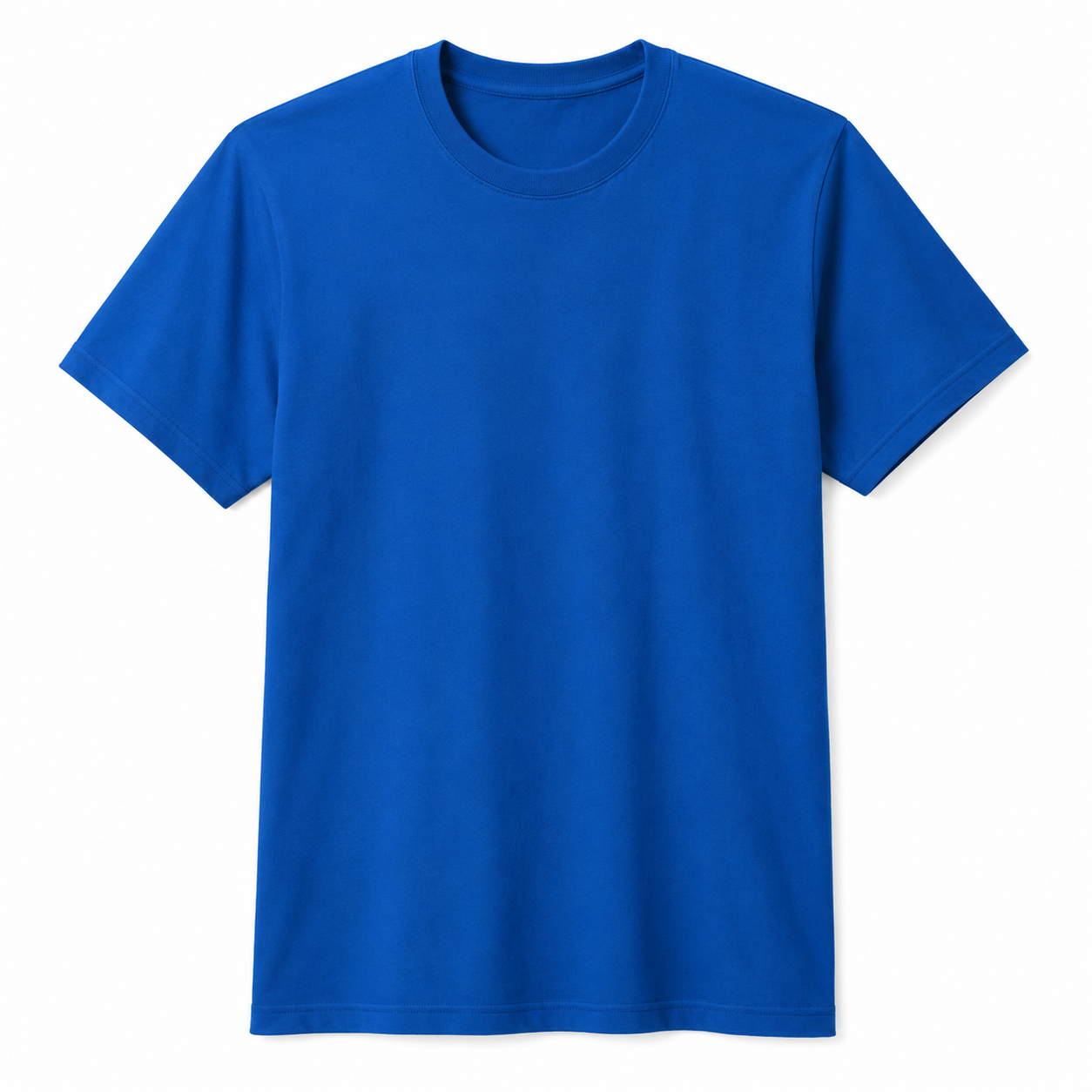
What Makes a Garment "Non-Reusable"?
Click the T-Shirt below to cycle through the 4 stages of fabric degradation!
CURRENT DISPOSAL JOURNEY
How non-reusable synthetic garments currently travel through our city's waste ecosystem.
CLOSET
Unused, torn, or stained garments
HOUSEHOLD WASTE
Mixed general trash
WASTE FACILITY
Unaware of recovery
Inspect Destructive Fates:
UPCYCLING POSSIBILITIES
CIRCULAR DESTINATIONS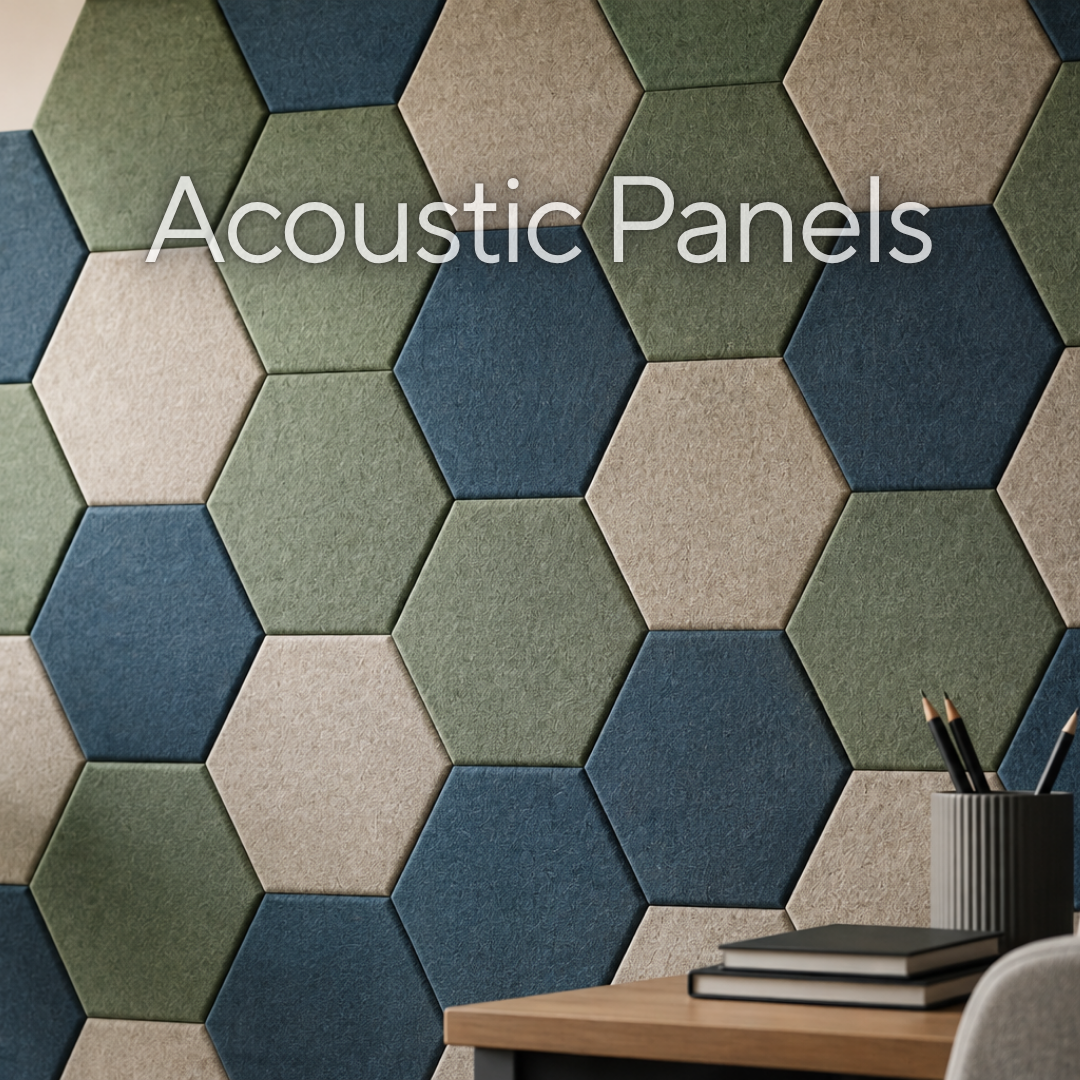
ACOUSTIC PANELS
Soundproofing tiles for office & studio walls. Absorbs acoustic reflections while locking synthetic fibres.
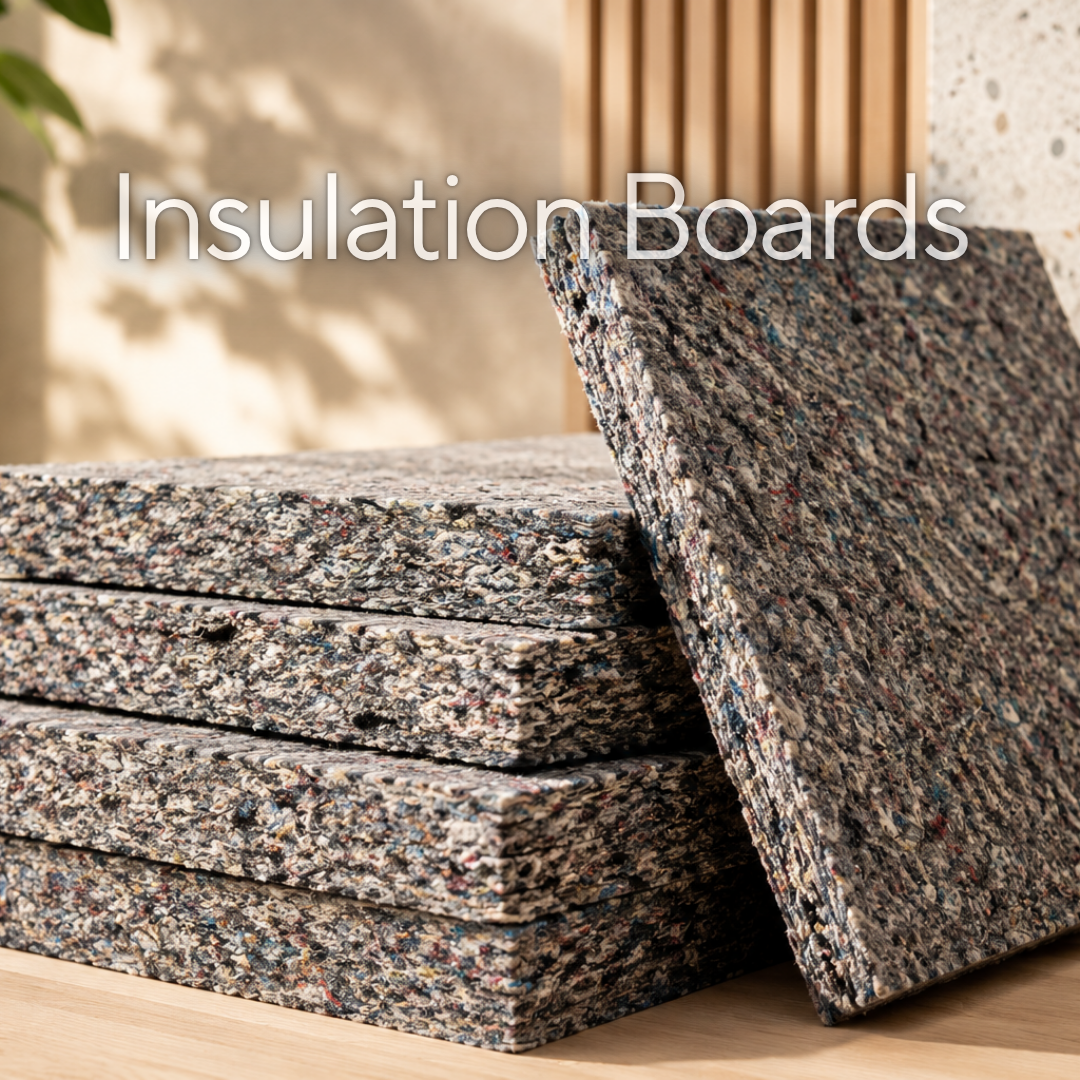
INSULATION BOARDS
Thermal eco-felt boards replacing fiberglass in wall cavities and ceiling insulation with zero irritants.
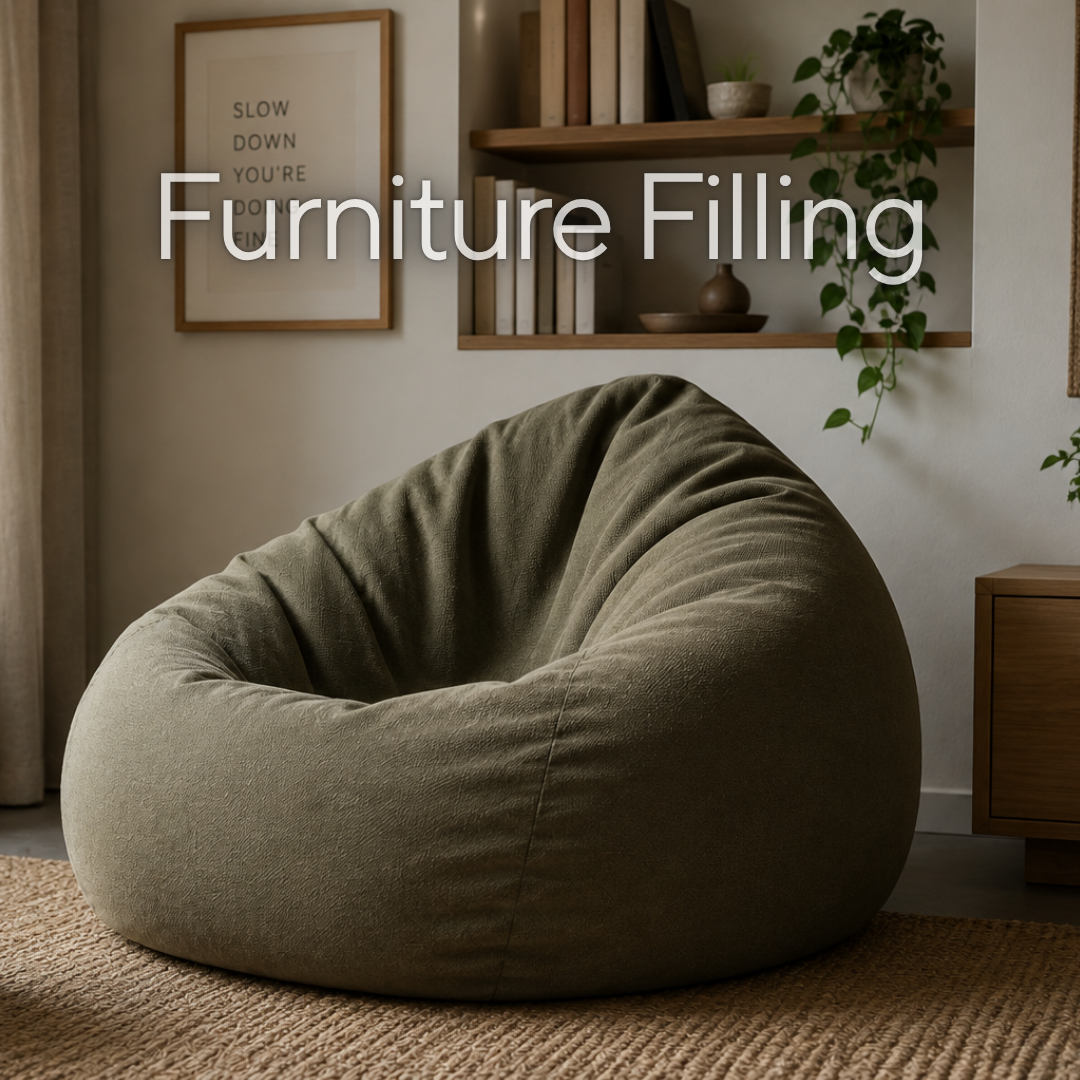
FURNITURE FILLING
Resilient fibrous stuffing with high compression recovery for sofa cushions, mattresses & beanbags.
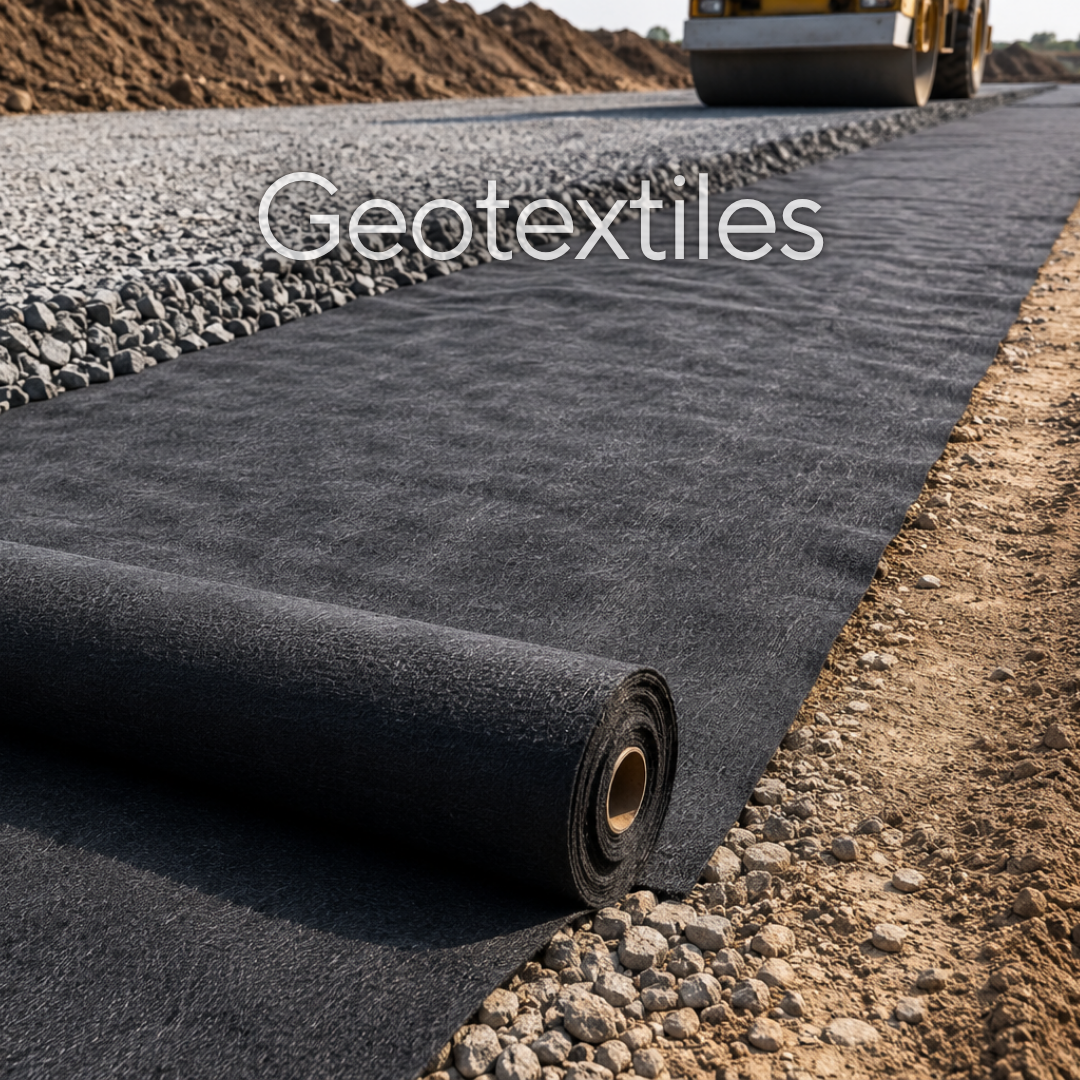
GEOTEXTILES FOR CIVIL ENG
Robust non-woven mats engineered for road sub-base stabilization, slope reinforcement & erosion control.
THE NEED OF THE HOUR
Solving the fast fashion waste crisis with simple, smart choices.
How can Evāra help increase awareness about textile waste and the environmental impact of fast fashion? What sustainable solutions can we implement to achieve net-zero?
TEXTILE HABITS SURVEY
Please fill out our survey below to help shape circular textile waste policies in Bengaluru.